If Part 1 names the crisis, Part 2 confronts the consequences of continuing as we are.
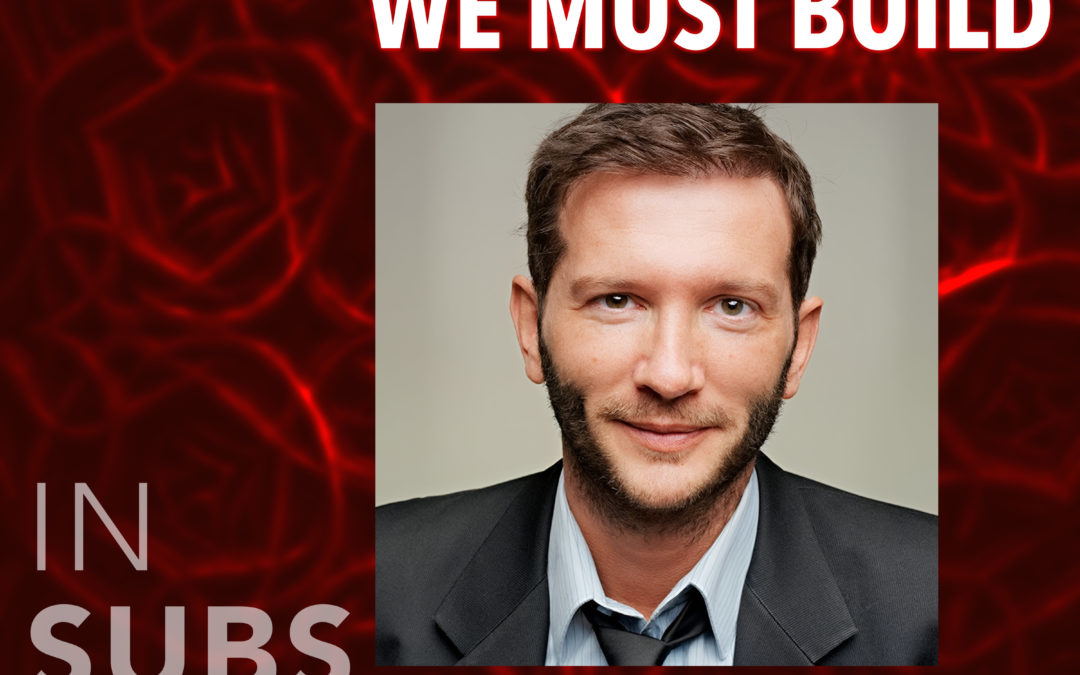
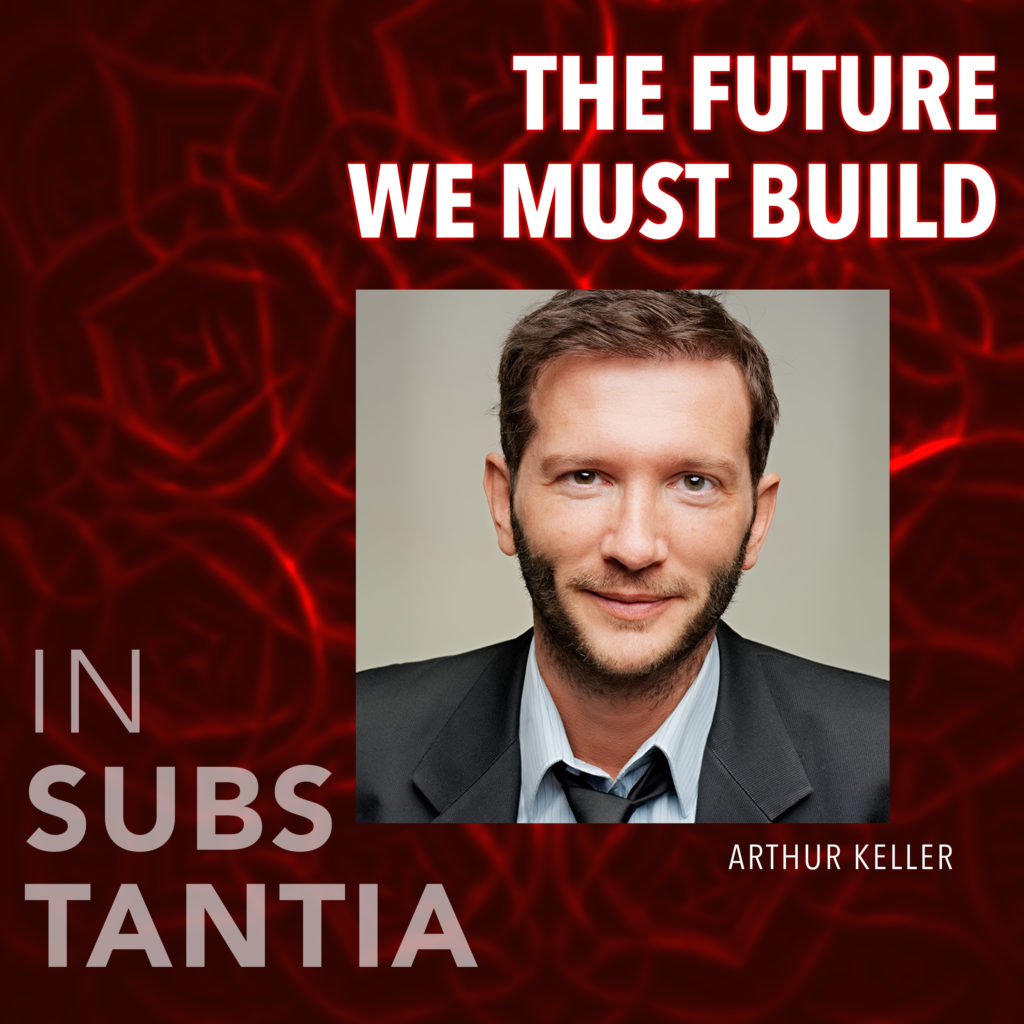
This second part of my conversation with Arthur Keller moves from diagnosis to responsibility, and from observation to choice.
We explore what collapses first when systems fail, not just infrastructures, but trust, meaning, and social cohesion.
🧠 Psychological denial
🔥 Escalating systemic shocks
🏙 Fragile urban concentration
⚖ Growing inequality and exposure
🗳 Democratic systems under strain
Collapse is rarely sudden. It is cumulative, uneven, and deeply political.
Some populations are protected longer than others, but no one is outside the system.
Arthur challenges the idea that adaptation will happen naturally or smoothly.
Without conscious choices, adaptation becomes brutal selection.
The question is no longer whether change is coming.
It is whether we prepare together, or fragment under pressure.
In this episode we explore
✨ why resilience is not a technical problem
✨ how fear shapes political responses
✨ the risk of authoritarian reflexes
✨ the limits of individual solutions
✨ what collective lucidity actually demands
Part 2 closes the conversation by asking what it would mean to act without illusion, without panic, and without false comfort.